




So you need to understand the BVRLA Fair Wear & Tear standards and GAP insurance
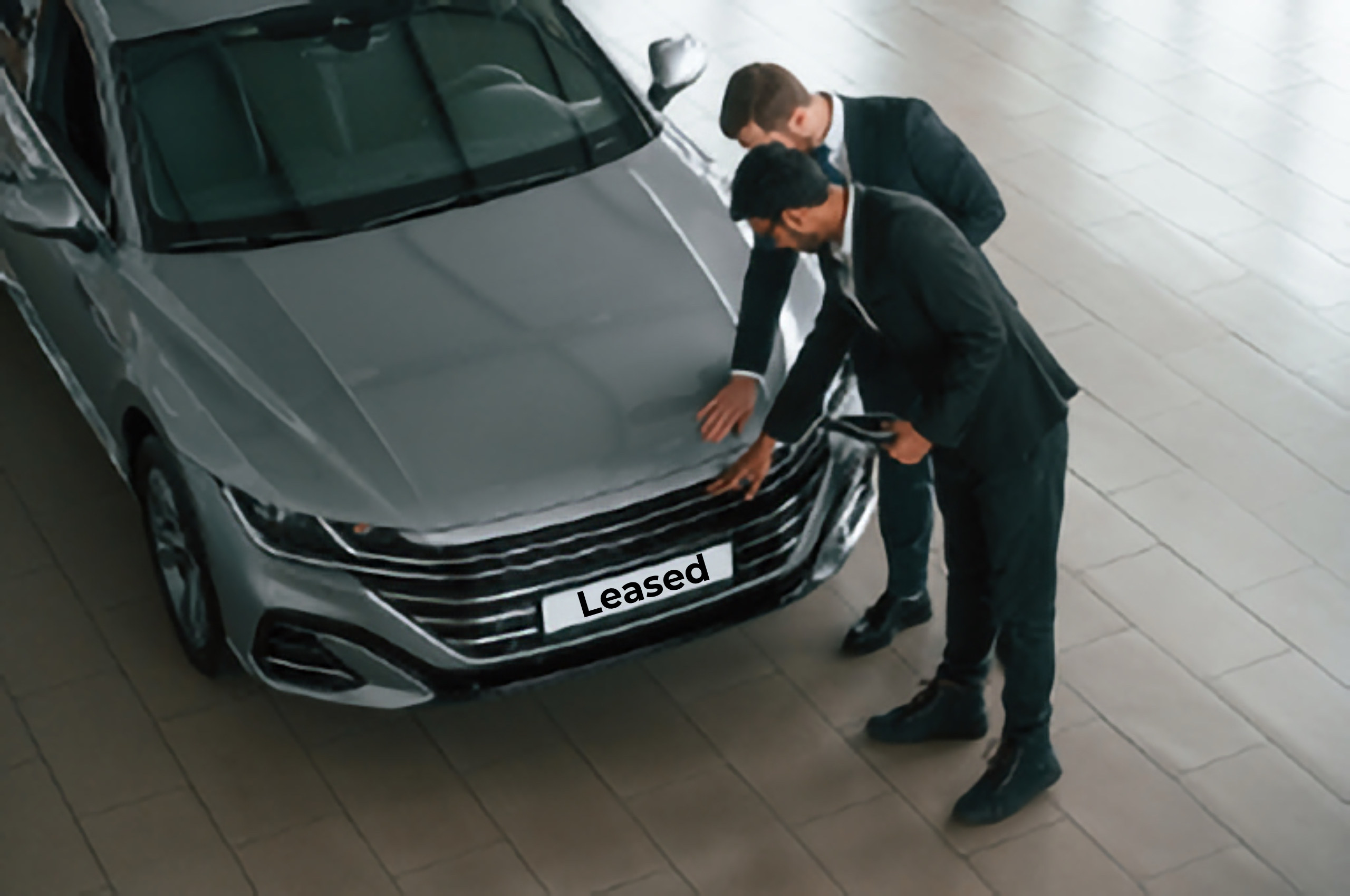
Leasing a vehicle offers the benefit of driving a new car without the burden of outright ownership. However, it’s easy to forget a simple truth: the car or van is not yours. It’s a brand new asset belonging to a leasing company, and just like if you borrowed an expensive possession from a friend, you are responsible for returning it in good order.
The British Vehicle Rental and Leasing Association (BVRLA) fair wear and tear guide exists to set clear, industry-wide standards for what is considered acceptable depreciation over the life of a lease. Adhering to these standards is not just a matter of avoiding end-of-lease charges—it’s about respecting the asset that has been entrusted to you.
While the BVRLA guide is a checklist for avoiding penalty charges, the principles behind it are about more than just money. Consider your responsibilities from the leasing company’s perspective.
- You are a custodian, not an owner: You have the exclusive right to use the vehicle for a set period, but the leasing company owns the asset. Their business model relies on recouping the vehicle’s value at the end of the contract. Damage beyond fair wear and tear devalues their asset and costs them money.
- The goodwill principle: A great way to think about a leased vehicle is to consider how you would expect a friend to treat your own car. Would you accept carelessness, neglect, or avoidable damage? Of course not. Treating a leased vehicle with the same care and respect helps maintain a fair and transparent relationship with the provider.
- Protecting your finances: Avoiding end-of-lease penalties is just the start. Your financial responsibility to the leasing company extends to the worst-case scenario: a total loss. This is where Guaranteed Asset Protection (GAP) insurance becomes essential.
Why every lease customer needs GAP insurance
Depreciation is a brutal reality for new vehicles, which can lose a significant portion of their value in just the first year. Your standard comprehensive insurance policy will only pay out the vehicle’s market value at the time of a write-off or theft, not what you still owe on your lease agreement.
GAP insurance bridges the gap, covering the difference between your insurer’s payout and the outstanding balance owed to the leasing company.
Here’s a simple example of how GAP insurance can save you from a major financial hit:
- Lease balance owed: £20,000
- Market value at write-off: £14,000
- Insurance payout: £14,000
- The shortfall (your out-of-pocket expense): £6,000
- With GAP insurance: The £6,000 shortfall is covered, leaving you with no outstanding debt on a car you no longer have.
Navigating the BVRLA standards: A practical guide
To avoid unexpected charges and practice good custodianship, follow these key BVRLA principles during and before your lease ends:
- Stay on top of maintenance: Adhere to the manufacturer’s service schedule. This is often a condition of your lease and helps maintain the car’s value.
- Cleanliness is key: Regularly washing and valeting your car, inside and out, not only helps you spot damage early but also prevents long-term grime build-up that can incur charges.
- Know the difference between wear and damage: Minor stone chips and small surface scratches (typically up to 25mm) are usually acceptable wear. Unacceptable damage includes deep scratches, larger dents, cracked glass, or heavy kerb damage to wheels.
- Conduct your own pre-inspection: The BVRLA recommends a self-assessment 10–12 weeks before your return date. Do this in good, natural light with a clean and dry car for the most accurate assessment.
- Keep everything together: All original equipment, from the service booklet to spare keys and parcel shelves, must be returned with the vehicle. Missing items will result in a fee.
By adopting the mindset of a responsible custodian and protecting yourself with the right insurance, you can ensure your leasing experience is enjoyable, stress-free, and free from unpleasant financial surprises.