





For most UK tradespeople, the van is more than transport — it’s the heartbeat of the business. It carries tools, reputation and reliability in equal measure. So when it’s time to replace it, the choices can feel overwhelming:
New or used? Diesel or electric? Pay cash, lease, or go hire purchase?
Let’s break it down — and uncover why, when the maths are done properly, a finance lease on a new van often makes the most business sense.
1. New vs Used: The False Economy of ‘Saving’
Used vans tempt many with their lower upfront cost, but the savings often vanish in repairs, downtime, and compliance issues.
- Warranty cover: New vans usually include 3–5 years of peace of mind; used ones rarely do.
- Efficiency & emissions: Newer models are cleaner, more fuel-efficient, and compliant with ULEZ and Clean Air Zones — a growing concern for urban work.
- Downtime costs: A van off the road can lose you a week’s income — not something a cheap purchase price can offset.
Sometimes “buying cheap” means paying twice.
2. Diesel vs Electric: The Transition Accelerates
Electric vans are no longer just for the eco-conscious — they’re for the cost-conscious too.
- Running costs: Electricity can cost less than half the price per mile of diesel.
- Tax benefits: Zero road tax, exemption from ULEZ charges, and generous capital allowances for business users.
- Maintenance: Fewer moving parts means fewer bills and breakdowns.
The main barriers are range and charging access. But for trades covering predictable daily routes, an electric van can now stack up financially — and future-proof your business image too. But for those with rural work, the Internal Combustion Engine may still win the day.
3. The VAT Factor: The Hidden Cost Missed by Many
Here’s where many buyers get caught out.
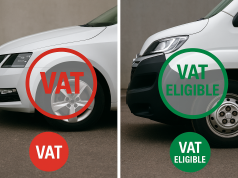
When you buy a van outright (cash or Hire Purchase), the VAT is due upfront — on top of the ‘sticker’ price. That’s a 20% hit to your cash flow, even if you can later reclaim it.
With a finance lease, the maths change:
- The monthly rentals are based on the VAT-exclusive price, not the VAT-inclusive one.
- VAT is then added to each rental, but — crucially — 100% of it can be reclaimed if the van is used solely for business.
That can make a finance lease immediately more cash-efficient, freeing up funds for tools, marketing, or staff, rather than locking them in metal.
4. Cash, Hire Purchase or Lease: Which Wins Overall?
- Cash: Simple, but it ties up working capital and you shoulder all the depreciation.
- Hire Purchase: Gives ownership, spreads cost, but you pay VAT upfront and carry resale risk.
- Finance Lease: No big deposit, predictable monthly costs, full tax relief on rentals, and no worry about resale.
In short, you use the van, not own the problem.
5. The Smart Money Move
Add up the real costs — VAT, downtime, reliability, resale, tax and fuel — and the winner becomes clear.
A finance lease on a new van offers:
✅ Lower initial outlay
✅ Full manufacturer warranty
✅ 100% VAT recovery (for business-only use)
✅ Tax-deductible rentals
✅ Easy upgrades every few years
It’s the most cost-efficient, low-risk way to stay on the road — and keep your business moving without tying up capital or taking on depreciation risk.
Just take care to watch for those end of contract charges if the vehicle has not been properly cared for, or the agreed mileage exceeded.
The Bottom Line:
Your van should drive your profits — not drain your cash flow.
A finance lease keeps you mobile, tax-efficient, and one step ahead of the breakdown curve.